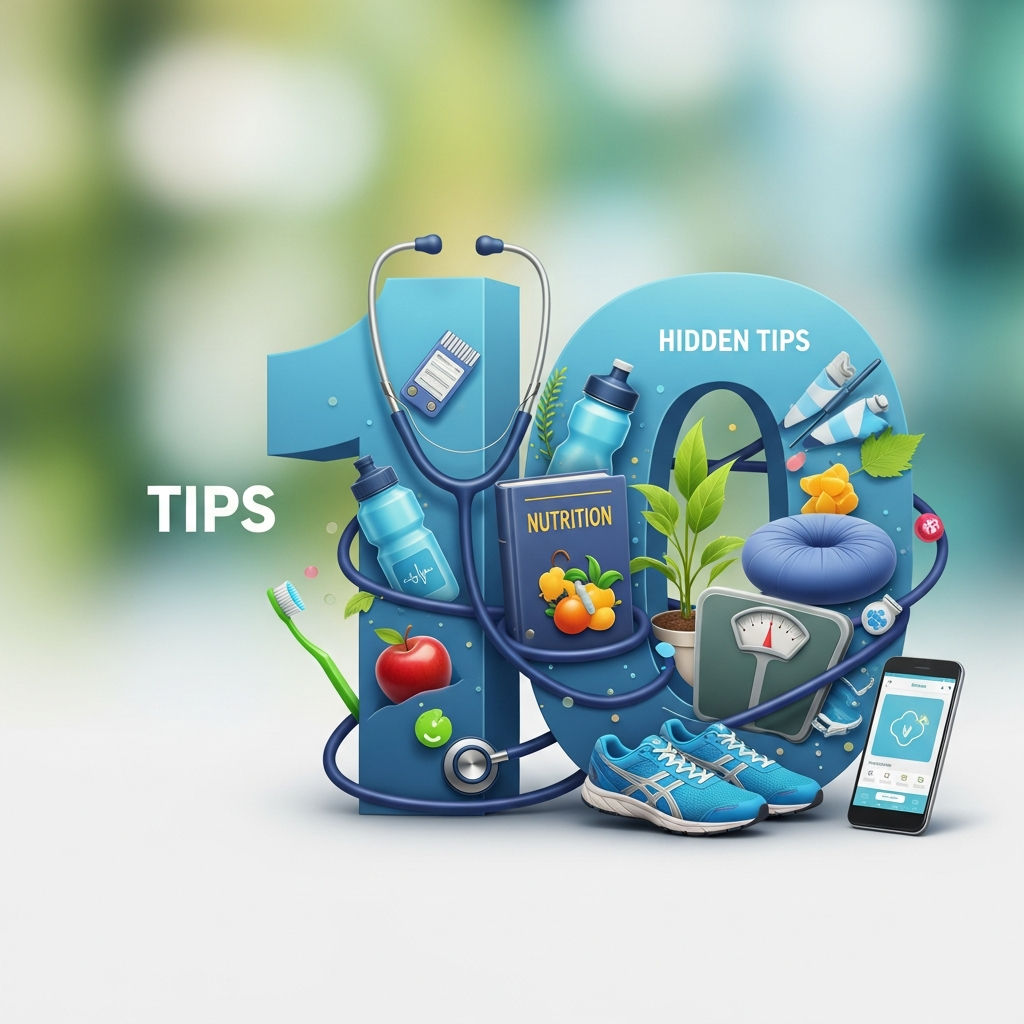
10 Hidden Tips to Improve Your Health: Beyond the Basic Advice
In a world saturated with fitness influencers and conflicting dietary advice, most of us feel like we know the basics of healthy living: eat your vegetables, go for a run, and get eight hours of sleep. However, true vitality often lies in the subtle adjustments—the “hidden” habits that modern science is only beginning to fully appreciate. If you have hit a plateau or simply want to elevate your well-being to the next level, these ten unconventional tips will help you transform your health from the inside out.
1. Master Your Circadian Rhythm with Morning Sunlight
Your body operates on a 24-hour internal clock known as the circadian rhythm. This clock regulates everything from your metabolism to your hormone production. One of the most effective, yet overlooked, ways to “reset” this clock is by viewing natural sunlight within 30 minutes of waking up.
When sunlight hits your retinas, it triggers the release of cortisol (the “alertness” hormone) and sets a timer for the release of melatonin approximately 14 to 16 hours later. This doesn’t just help you wake up; it ensures you fall asleep faster at night. Even on cloudy days, the photon energy from the sky is significantly more powerful than any indoor lighting for stabilizing your mood and energy levels.
2. Embrace the Power of Micro-Movements (NEAT)
Many people believe that a one-hour gym session compensates for a day spent sitting at a desk. Unfortunately, “sedentary physiology” suggests otherwise. To truly improve your health, you must focus on NEAT: Non-Exercise Activity Thermogenesis.
- Take the stairs instead of the elevator.
- Fidget while you work; it actually burns calories and keeps joints lubricated.
- Use a standing desk or pace during phone calls.
- Do five air squats every time you head to the kitchen for water.
These small bursts of movement keep your insulin sensitivity high and prevent your metabolism from entering a “standby” mode.
3. Prioritize Nasal Breathing Over Mouth Breathing
How you breathe is just as important as what you eat. Many of us are chronic “mouth breathers,” especially during sleep or high-stress situations. Switching to exclusive nasal breathing has profound health benefits. The nose filters, warms, and humidifies the air, but more importantly, it produces nitric oxide.
Nitric oxide is a vasodilator that helps lower blood pressure and improves oxygen transport throughout the body. Nasal breathing also engages the diaphragm more effectively, which activates the parasympathetic nervous system—the part of your brain responsible for “rest and digest,” reducing chronic anxiety and inflammation.
4. Diversify Your Microbiome with 30 Plants a Week
We often hear about probiotics, but the secret to a resilient gut isn’t just taking a pill; it’s diversity. Recent studies suggest that individuals who eat at least 30 different types of plant-based foods per week have significantly more diverse gut microbiomes than those who eat fewer than ten.
This “30 plants” rule includes fruits, vegetables, grains, legumes, nuts, seeds, and even herbs and spices. A diverse microbiome is linked to a stronger immune system, better mental health (via the gut-brain axis), and reduced risk of chronic diseases. Start by adding a mixed-seed topper to your salads or swapping a single-variety vegetable for a “rainbow” mix.
5. Harness the Benefits of Hormetic Stress
Hormesis is a biological phenomenon where a small dose of a stressor stimulates a beneficial adaptive response. We often try to make our lives as comfortable as possible, but brief periods of “discomfort” can actually make us stronger. Examples of healthy hormetic stress include:
- Cold Exposure: A 30-second cold blast at the end of your shower can boost dopamine and improve circulation.
- Heat Therapy: Using a sauna improves cardiovascular health and triggers “heat shock proteins” that repair damaged cells.
- Intermittent Fasting: Brief periods without food allow for autophagy, a process where the body cleans out damaged cells.
6. Implement “Digital Detox” Windows
Mental health is physical health. The constant barrage of notifications and blue light from our devices keeps our nervous system in a state of high alert. This chronic elevation of cortisol can lead to weight gain around the midsection and impaired cognitive function.

To fix this, create “no-phone zones” or time blocks. For instance, avoid screens for the first hour of the morning and the last hour before bed. By lowering the sensory input, you allow your brain to enter the “alpha wave” state, which is essential for creativity, memory consolidation, and deep relaxation.
7. Optimize Your Hydration with Electrolytes
Drinking eight glasses of water a day is standard advice, but water alone isn’t always enough for optimal hydration. If you drink a lot of filtered water without replenishing minerals, you can actually flush out essential electrolytes like magnesium, potassium, and sodium.
Proper hydration is about the balance of fluid inside and outside your cells. Adding a pinch of high-quality sea salt or an electrolyte powder to your morning water can improve your energy levels, prevent headaches, and support muscle function. If you feel sluggish despite drinking water, you likely need minerals, not more volume.
8. Practice “Mindful Chewing” for Better Digestion
Digestion begins in the mouth, not the stomach. Most of us rush through meals, swallowing large chunks of food that force the stomach to work overtime, leading to bloating and poor nutrient absorption. The hidden tip here is simple: chew each bite 20 to 30 times.
Chewing thoroughly breaks down food mechanically and mixes it with salivary enzymes that begin the chemical digestion process. Furthermore, eating slowly gives your brain enough time to receive the “fullness” signals from your gut, preventing overeating and promoting a healthier relationship with food.
9. Focus on “Micronutrient Density,” Not Just Calories
While calorie counting can help with weight loss, it doesn’t guarantee health. A 500-calorie doughnut and a 500-calorie steak with broccoli have vastly different effects on your hormones and cellular health. To improve your health hidden-style, focus on micronutrients (vitamins and minerals) per calorie.
Incorporate “super-micronutrients” like organ meats (in moderation), fermented foods (kimchi, sauerkraut), and dark leafy greens. These foods act as a biological “insurance policy,” ensuring that your enzymes and metabolic pathways have the co-factors they need to function at 100% efficiency.
10. Cultivate Deep Social Connections
Perhaps the most hidden health tip of all is the importance of community. The longest-running study on human happiness (the Harvard Study of Adult Development) found that the strongest predictor of long-term health and longevity isn’t cholesterol levels or exercise—it’s the quality of your relationships.
Loneliness is as physically damaging as smoking 15 cigarettes a day. It increases systemic inflammation and weakens the immune system. Making time for a weekly dinner with friends, joining a local club, or simply having a meaningful conversation with a neighbor can do more for your lifespan than almost any supplement on the market.
Conclusion: Small Changes, Massive Impact
Improving your health doesn’t always require a radical lifestyle overhaul or an expensive gym membership. Often, it is the invisible habits—how you breathe, how you view the sun, and who you spend your time with—that dictate your long-term vitality. By implementing these ten hidden tips, you are not just avoiding illness; you are optimizing your body and mind for a high-performance life. Start with just one or two changes this week and feel the difference that science-backed, subtle shifts can make.
About the Author