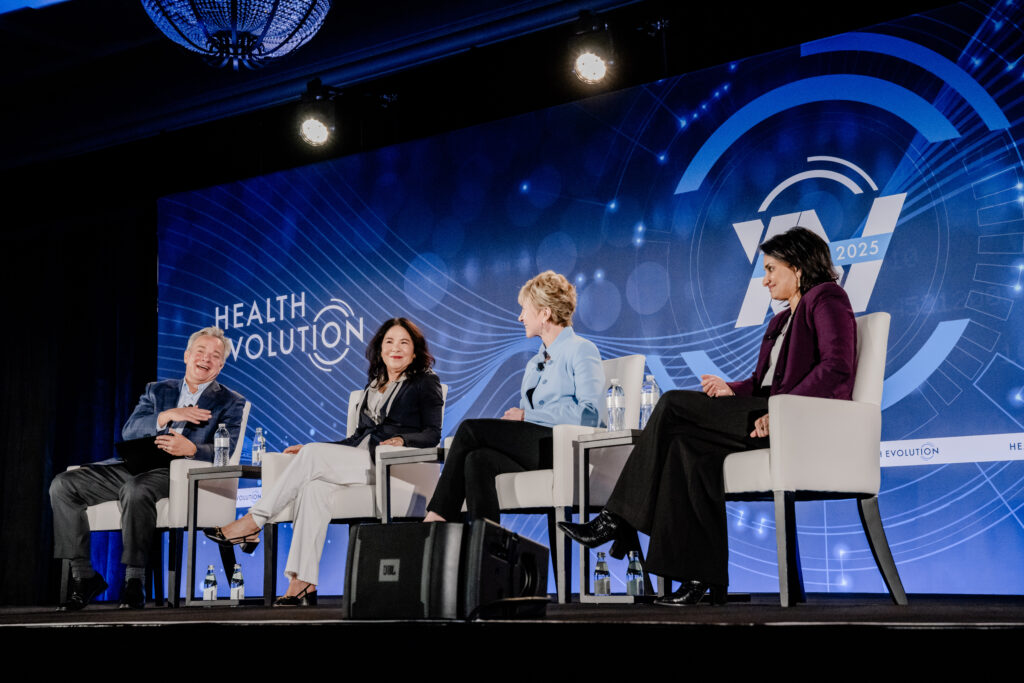
Health Care as a Cornerstone of Human Progress
Health Care has always been one of the most essential pillars of civilization. From early herbal remedies and communal healing rituals to advanced diagnostic technologies and precision medicine, the pursuit of wellness defines how societies evolve. At its core, Health Care is not merely a system of hospitals or insurance structures; it is a reflection of how humanity values life, dignity, and longevity.
In modern contexts, the concept extends far beyond treating illness. It encompasses prevention, education, emotional well-being, and social equity. The conversation surrounding Health Care has matured, shifting from reactive solutions to proactive strategies designed to preserve quality of life rather than simply prolong it.
The Human Dimension of Health Care
While technology often dominates the narrative, the human element remains irreplaceable. Empathy, trust, and communication form the invisible architecture of effective Health Care. A well-calibrated diagnosis loses its value without compassion. A treatment plan falters when the patient feels unheard.
Healthcare professionals operate at the intersection of science and humanity, navigating complex emotional landscapes while applying evidence-based practice. This delicate balance transforms clinical encounters into meaningful experiences. It also reinforces the idea that Health Care is not solely about curing disease, but about restoring confidence, autonomy, and hope.
Innovation and the Evolution of Health Care
Technological innovation has radically reshaped Health Care delivery. Artificial intelligence aids diagnostics, wearable devices track physiological data in real time, and telemedicine dissolves geographic barriers. These advancements redefine accessibility and efficiency, enabling care to reach populations once marginalized by distance or infrastructure.
However, innovation introduces ethical challenges. Data privacy, algorithmic bias, and equitable access remain pressing concerns. The future of Health Care depends on balancing innovation with responsibility, ensuring that progress does not outpace moral accountability.
Preventive Models and Holistic Well-Being
A defining shift in modern Health Care is the emphasis on prevention rather than reaction. Nutrition, physical activity, mental resilience, and lifestyle management now occupy central roles in long-term wellness strategies. This paradigm recognizes that health is cultivated daily, not restored overnight.
Holistic approaches integrate physical, psychological, and social dimensions. Mindfulness practices, community support networks, and environmental awareness contribute to a more resilient population. In this context, Health Care becomes an ongoing partnership between individuals and systems, rather than a sporadic intervention.
Economic and Social Dimensions of Health Care
The economic framework surrounding Health Care profoundly influences its accessibility and quality. Policy decisions, funding structures, and workforce distribution shape outcomes across populations. Inequities often mirror broader societal disparities, revealing how deeply interconnected health is with education, income, and environment.
Sustainable Health Care systems require strategic investment and ethical governance. When resources are allocated equitably, societies benefit from a healthier, more productive population. Conversely, neglecting these foundations leads to long-term social and economic strain.
The Future Trajectory of Health Care
Looking ahead, Health Care will continue to evolve as a multidisciplinary ecosystem. Genomic medicine, personalized therapies, and digital health platforms promise unprecedented precision. Yet, technological sophistication must remain anchored in empathy and human connection.
The future will demand adaptability—from professionals, institutions, and individuals alike. As global challenges such as aging populations and emerging diseases intensify, resilient Health Care systems will become essential pillars of societal stability.
Reimagining Health Care for Generations to Come
Ultimately, Health Care is a shared responsibility. Governments, practitioners, communities, and individuals all shape its trajectory. When guided by compassion, informed by science, and sustained by ethical leadership, Health Care transcends its functional role and becomes a catalyst for collective well-being.
In redefining how care is delivered, accessed, and experienced, society has the opportunity to build a future where health is not a privilege but a universal foundation for human flourishing.
About the Author