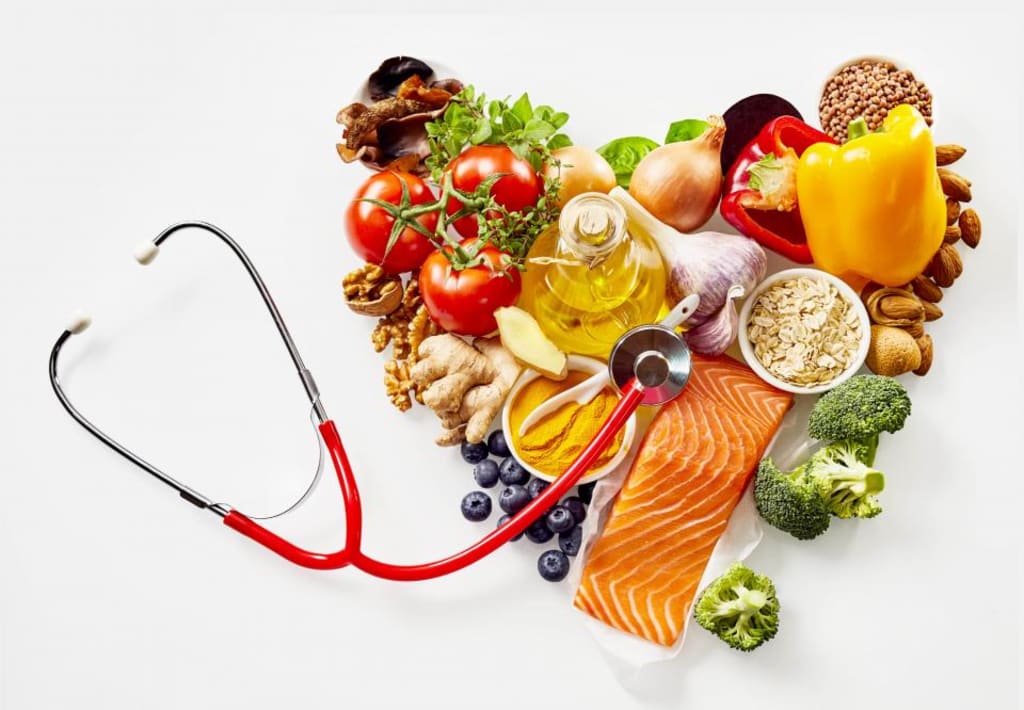
In an era defined by velocity, overstimulation, and convenience, the concept of Health Food has emerged as both a counterbalance and a necessity. It is no longer a niche preference reserved for athletes or wellness enthusiasts; it has become a foundational element of modern living. The foods we choose are no longer judged solely by taste or satiety but by their capacity to sustain energy, fortify immunity, and support long-term vitality.
Understanding the Essence of Health Food
At its core, Health Food represents nourishment that is intentionally selected for its physiological benefits. These foods are typically rich in micronutrients, bioactive compounds, and naturally occurring enzymes that work synergistically to optimize bodily function. Unlike heavily processed alternatives, they retain structural integrity and nutritional density, offering more than mere caloric fulfillment.
Whole grains, fresh vegetables, lean proteins, legumes, fermented products, and unrefined fats form the backbone of this nutritional philosophy. Each contributes a unique biochemical profile that supports digestion, cognitive performance, and cellular repair. The emphasis is not on restriction but on intelligent inclusion.
The Evolution of Dietary Awareness
The rise of Health Food did not occur in isolation. It emerged as a response to mounting evidence linking dietary patterns to chronic disease, mental fatigue, and metabolic imbalance. As information became more accessible, individuals began scrutinizing ingredient lists, questioning food origins, and demanding transparency.
Modern consumers are no longer passive participants in the food system. They are discerning, curious, and motivated by longevity rather than convenience alone. This shift has encouraged producers to reimagine sourcing, processing, and packaging, aligning their practices with nutritional integrity and environmental responsibility.
Nutrient Density Over Empty Calories
One defining characteristic of Health Food is its emphasis on nutrient density. This principle prioritizes foods that deliver high concentrations of vitamins, minerals, antioxidants, and phytonutrients relative to their caloric content. Leafy greens, berries, nuts, seeds, and legumes exemplify this category.
Such foods support metabolic efficiency and reduce inflammatory stress. Over time, consistent consumption can enhance immune resilience, stabilize blood sugar, and promote cardiovascular health. In contrast, ultra-processed foods often deliver energy devoid of nourishment, contributing to fatigue and metabolic dysfunction.
The Psychological Dimension of Eating Well
Food is not merely fuel; it is also a cognitive and emotional experience. The deliberate selection of Health Food fosters mindfulness and a deeper connection to eating habits. Preparing meals with intention cultivates awareness, reduces impulsive consumption, and strengthens the relationship between nourishment and well-being.
Emerging research suggests that diets rich in whole foods may positively influence mood and cognitive clarity. The gut-brain axis, a complex communication network linking digestive health to mental function, plays a significant role in this interaction. A balanced diet supports microbial diversity, which in turn supports emotional equilibrium.
Sustainability and Ethical Considerations
Another defining dimension of Health Food is its alignment with sustainable practices. Ethically sourced ingredients, minimal processing, and reduced environmental impact are increasingly central to food choices. Consumers are recognizing that personal health is inseparable from planetary health.
Choosing locally sourced produce, seasonal ingredients, and responsibly raised proteins reduces ecological strain while preserving nutrient quality. This approach fosters a more resilient food system—one that nourishes both people and ecosystems.
Integrating Health Food into Daily Life
Adopting a health-focused diet does not require radical transformation. Small, deliberate adjustments often yield the most sustainable results. Replacing refined grains with whole alternatives, incorporating plant-based meals, or reducing added sugars can significantly elevate dietary quality.
Consistency, rather than perfection, defines success. The goal is not dietary rigidity but informed flexibility. When nourishment becomes intuitive rather than prescriptive, long-term adherence becomes effortless.
The Future of Health-Centered Nutrition
As science continues to illuminate the relationship between diet and longevity, Health Food will remain central to public discourse. Personalized nutrition, informed by genetics and lifestyle data, is poised to refine how individuals approach nourishment. Yet, the foundational principles remain unchanged: whole, balanced, and thoughtfully sourced foods form the cornerstone of well-being.
In a world saturated with choice, clarity is power. Embracing Health Food is not a trend but a return to fundamental nourishment—one that honors the body’s innate intelligence and supports a life of sustained vitality.
If you’d like this adapted for SEO, a specific audience, or a different tone (medical, lifestyle, commercial), just let me know.
About the Author