A health life is not a singular habit, nor is it a temporary commitment driven by motivation alone. It is a structured way of living that harmonizes physical vitality, mental clarity, emotional stability, and environmental awareness. In a world characterized by constant acceleration and cognitive overload, adopting a health life has become less of a luxury and more of a necessity.
It is deliberate.
It is cumulative.
And it is deeply personal.
The Foundational Philosophy of a Health Life
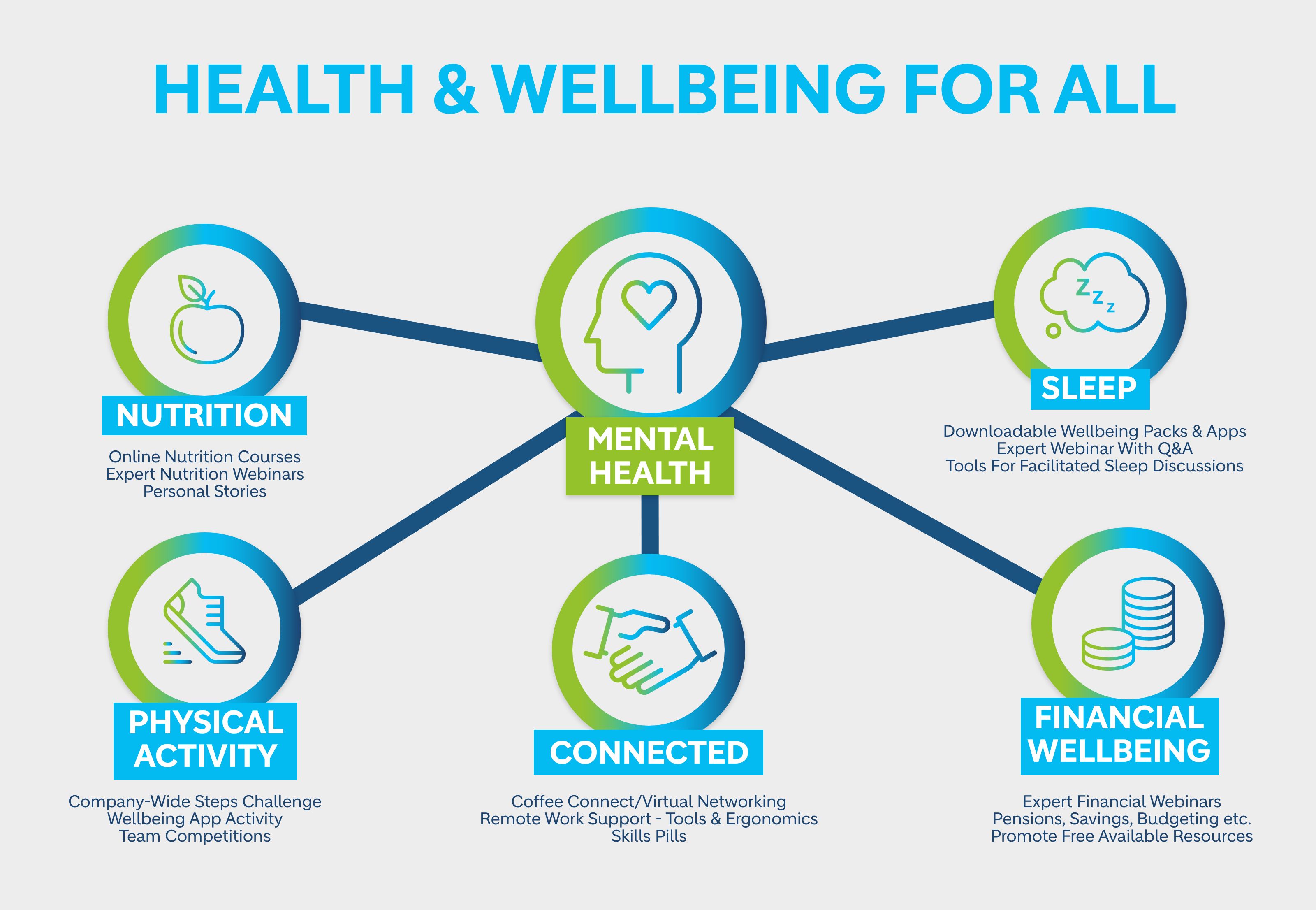
At its core, a health life is guided by equilibrium rather than excess. The human organism thrives when its internal systems—neurological, metabolic, hormonal, and musculoskeletal—operate in synchronized balance. Disruption in one domain often reverberates through others.
A health life therefore emphasizes integration over isolation. Health is not fragmented into diet alone, or exercise alone, or mindset alone. It emerges from their interaction. Small, intelligent adjustments made consistently over time yield outcomes far more durable than radical, short-lived interventions.
Nutritional Alignment and Biological Efficiency
Nutrition within a health life transcends calorie counting and dietary fads. Food functions as biochemical input, influencing inflammation, cognitive acuity, immune response, and metabolic efficiency. Every meal is a form of communication with the body.
Whole, minimally processed foods provide dense micronutrients and enzymatic support essential for cellular regeneration. Excessive refinement, by contrast, introduces metabolic dissonance. The objective is not rigid restriction, but informed selection.
Equally critical is eating behavior. Slow consumption enhances digestive signaling and hormonal balance. Attentiveness during meals improves nutrient assimilation. A health life recognizes that nourishment is both physiological and behavioral.
Movement as a Biological Imperative
Movement is not optional. It is encoded in human physiology. A health life integrates motion naturally throughout the day rather than confining it to isolated sessions. Prolonged inactivity undermines circulation, joint integrity, and neuromuscular coordination.
Functional movement—walking, bending, lifting, stretching—maintains structural resilience. Structured exercise enhances cardiovascular endurance and muscular strength, but excess intensity without recovery destabilizes progress.
A sustainable health life respects biological rhythms. Stress is applied strategically. Recovery is honored. Movement becomes restorative rather than punitive.
Cognitive Health and Emotional Regulation
Mental well-being is foundational to a health life. Chronic stress, unresolved emotional tension, and persistent cognitive noise exert tangible physiological consequences. Over time, they disrupt sleep, digestion, and immune competence.
Cognitive regulation practices such as mindfulness, contemplative reflection, and intentional disengagement from constant stimuli recalibrate the nervous system. These practices reduce sympathetic dominance and promote parasympathetic recovery.
Emotional literacy is equally vital. Identifying and processing emotional states prevents internal accumulation. A health life does not aim to eliminate adversity; it develops the capacity to metabolize it efficiently.
Sleep as Strategic Restoration
Sleep is one of the most underestimated pillars of a health life. It is during sleep that neural consolidation, hormonal regulation, and cellular repair occur. Chronic sleep deprivation erodes cognitive performance and metabolic stability, even when subtle.
Circadian alignment—consistent sleep schedules, exposure to natural light, and reduced evening stimulation—optimizes physiological recovery. Melatonin release, cortisol rhythm, and immune modulation depend on this synchronization.
A health life treats sleep as a biological priority rather than a negotiable convenience.
Environmental and Social Influences
Health is not cultivated in isolation. A health life is shaped by physical environments and social ecosystems. Air quality, noise exposure, digital saturation, and spatial organization influence stress levels and cognitive load.
Social relationships are equally influential. Supportive connections buffer physiological stress responses and enhance emotional resilience. Chronic interpersonal friction, by contrast, sustains low-grade neurological threat states.
Curating environment and relationships is not indulgent. It is preventative strategy.
The Long-Term Orientation of a Health Life
The defining characteristic of a health life is durability. It is not measured by rapid transformations or extreme milestones, but by sustained functionality over time. Energy becomes stable. Recovery improves. Mental clarity persists.
A health life evolves with age, circumstance, and capacity. Flexibility is embedded within its structure. What remains constant is intentionality—the ongoing refinement of habits that preserve systemic integrity.
Ultimately, a health life represents stewardship. It is the disciplined care of a complex biological system entrusted for a finite span. When approached with patience, intelligence, and restraint, it yields not only longevity, but coherence, resilience, and a deeply enhanced quality of living.
About the Author