The Structural Complexity of Health Care
Health care is not a single institution, nor is it a uniform experience. It is an intricate constellation of services, professionals, policies, and technologies working in concert to preserve human vitality. Over time, this system has expanded in both scope and ambition, responding to demographic change, scientific advancement, and shifting societal expectations.
What once revolved primarily around acute care has matured into a comprehensive continuum. Preventive services, chronic disease management, rehabilitative support, and palliative care now coexist within modern health care frameworks. This breadth demands coordination and adaptability. Fragmentation is costly. Integration is essential.
The Human Core of Health Care
Despite its scale and sophistication, health care remains deeply personal. Every diagnosis alters a narrative. Every intervention carries emotional resonance. The human experience within health care systems is shaped as much by empathy and communication as by clinical expertise.
Patients today are informed, inquisitive, and increasingly autonomous. This evolution has transformed traditional dynamics. Authority is tempered by collaboration. Listening becomes as important as prescribing. In effective health care environments, trust is cultivated through transparency, respect, and cultural awareness.
Brief moments can have lasting impact. Sustained relationships can redefine outcomes.
Innovation and Transformation in Health Care
Technological progress has accelerated the transformation of health care at an unprecedented pace. Artificial intelligence augments diagnostics. Advanced imaging reveals pathology with remarkable clarity. Precision medicine tailors interventions to genetic, environmental, and behavioral variables.
Digital platforms have reimagined access. Telemedicine dissolves geographic constraints, while remote monitoring converts episodic encounters into continuous oversight. These innovations enhance efficiency, yet they also introduce new challenges. Data stewardship, cybersecurity, and ethical governance now occupy central roles within health care administration.
Progress is not merely about speed. It is about discernment.
Economic Forces Shaping Health Care
The economics of health care exert profound influence on policy and practice. Rising costs, aging populations, and workforce constraints place sustained pressure on systems worldwide. Financial sustainability has become inseparable from clinical effectiveness.
In response, value-based models emphasize outcomes rather than volume. Preventive care, early intervention, and coordinated service delivery emerge as strategic priorities. When designed thoughtfully, health care financing can incentivize quality, equity, and long-term resilience rather than short-term throughput.
Investment in health is, ultimately, investment in societal stability.
Ethics, Equity, and Health Care Delivery
Ethical deliberation permeates every dimension of health care. Decisions surrounding access, consent, data usage, and end-of-life care demand moral clarity as well as professional competence. These dilemmas rarely offer simple answers.
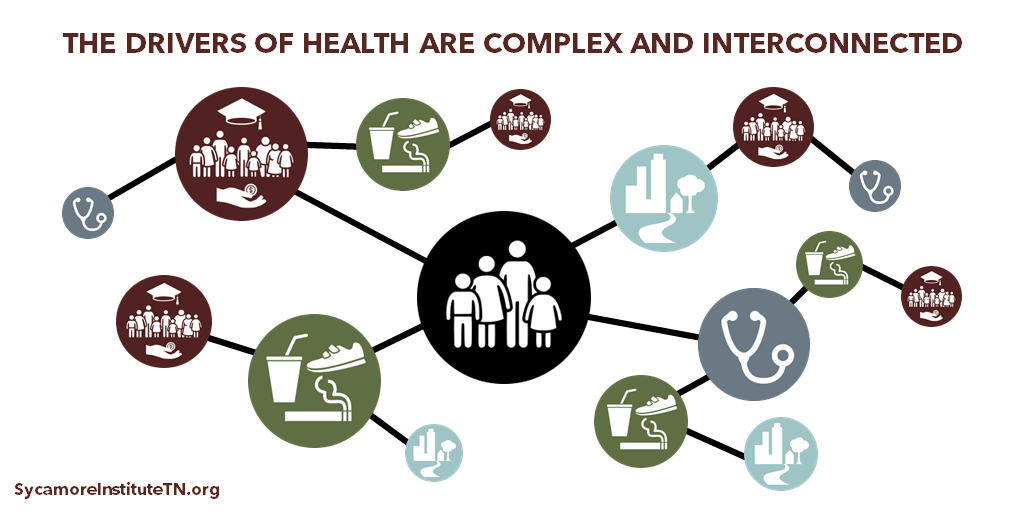
Equity remains a defining challenge. Disparities rooted in income, geography, education, and social context continue to influence outcomes. A just health care system must address these determinants intentionally, not incidentally. Cultural competence, inclusive policy design, and community engagement are indispensable tools in this pursuit.
Ethics is not an abstract ideal. It is an operational necessity.
Prevention as a Strategic Imperative in Health Care
Prevention occupies a paradoxical position within health care. It is universally acknowledged as effective, yet often underprioritized. Lifestyle-related conditions, many of which are preventable, account for a significant portion of global disease burden.
Preventive strategies extend beyond clinical settings. Nutrition education, environmental planning, vaccination programs, and mental health promotion all contribute to population well-being. When prevention is embedded into health care systems, the emphasis shifts from reaction to resilience.
The absence of illness is not accidental. It is cultivated.
Workforce Dynamics in Health Care
The health care workforce represents one of its most critical assets. Clinicians, researchers, administrators, and support staff operate under increasing demand and complexity. Burnout, skill shortages, and uneven distribution threaten system stability.
Addressing these challenges requires investment in education, supportive work environments, and adaptive leadership. Interdisciplinary collaboration and continuous learning are no longer optional. They are prerequisites for sustainable health care delivery in an evolving landscape.
People sustain systems. Systems must sustain people.
The Future Trajectory of Health Care
The future of health care will be shaped by convergence and foresight. Disciplines will intersect. Data will inform strategy. Personalized interventions will coexist with population-level initiatives. Integration, not expansion alone, will define success.
Uncertainty will persist, driven by innovation and global change. Yet the fundamental purpose of health care endures: to alleviate suffering, extend life, and preserve dignity. Achieving this purpose requires adaptability, ethical stewardship, and an unwavering commitment to human well-being.
Health care is not merely a service. It is a collective responsibility, continually refined by knowledge, values, and shared ambition.
About the Author