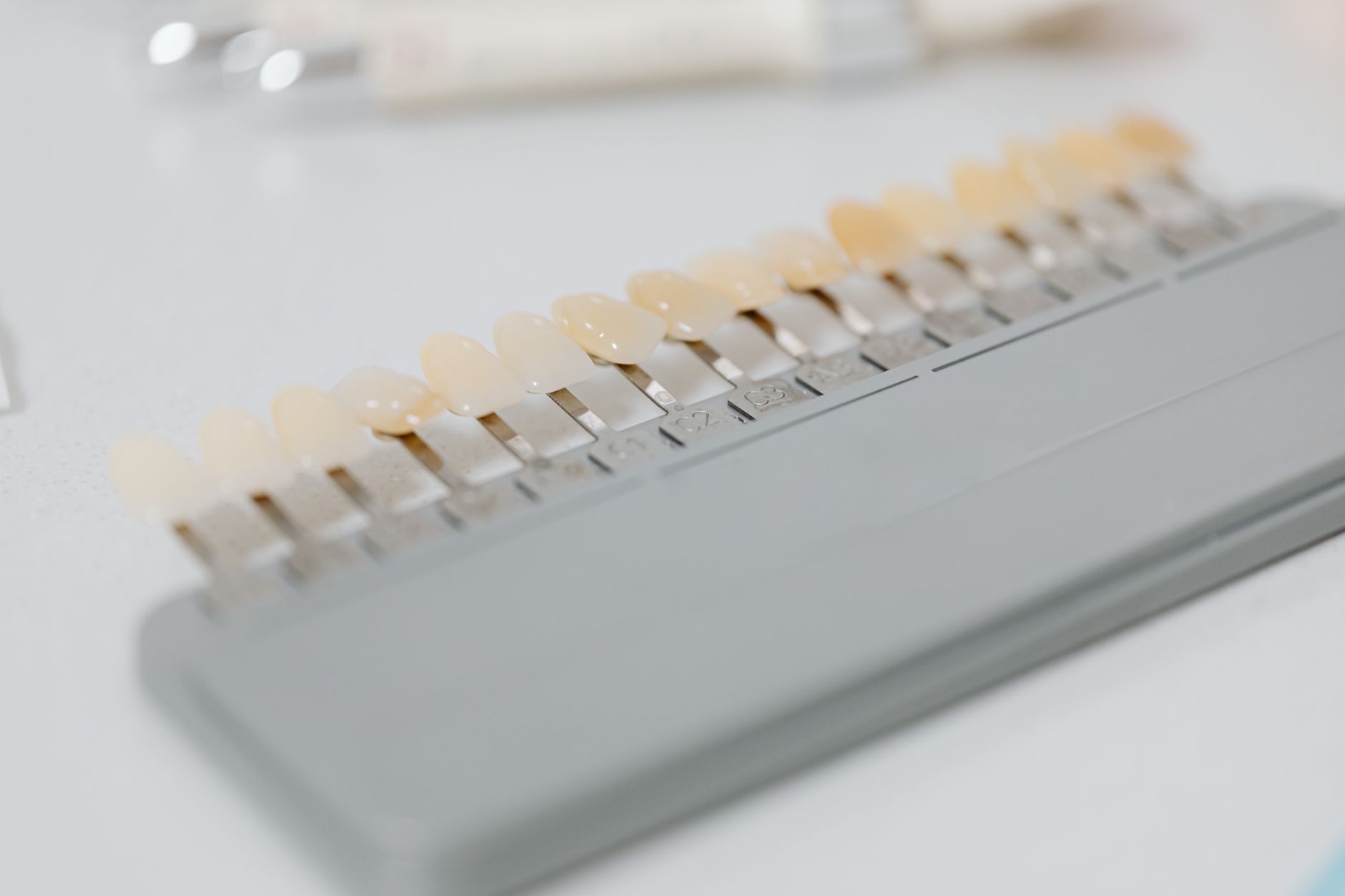
A confident smile and healthy teeth are priceless. But what happens when a tooth gets damaged or weakened? Dental crowns are a versatile solution designed to protect and restore your teeth while maintaining your natural look. If you’re considering a dental crown or simply want to learn more, a dentist in Leduc, Alberta, will be able to help you find whether it works well for you.
This guide will walk you through what they are, the types available, and why they might be the ideal choice for you.
What Are Dental Crowns?
A dental crown is essentially a custom-made cap that covers a damaged tooth entirely. It’s placed over the visible part of the tooth, restoring its shape, size, strength, and function. Crowns are often used when a filling isn’t enough to fix a tooth or when a tooth is at risk of breaking further.
Think of a dental crown as a protective helmet for your tooth. It not only safeguards it from further harm but also improves its appearance, making it look and feel like a natural tooth.
Types of Dental Crowns
Dental crowns aren’t one-size-fits-all. Depending on your needs, your dentist may recommend one of the following types:
Porcelain or Ceramic Crowns
These are the go-to options if you’re prioritizing aesthetics. Porcelain crowns are tooth-colored, making them an ideal choice for restoring front teeth. They look natural and are great for people with metal allergies.
Metal Crowns
Made from gold or other alloys, metal crowns are durable and extremely resistant to wear and tear. They’re often used on molars, where appearance matters less, but strength is crucial for chewing.
Porcelain-Fused-to-Metal (PFM) Crowns
A combination of strength and aesthetics, PFM crowns have a metal core covered with porcelain. They’re sturdy and blend well with natural teeth, though the metal may show at the gums over time.
Resin Crowns
These are cost-effective and made of composite resin, offering a decent aesthetic finish. However, they’re less durable, making them suitable for temporary use rather than long-term solutions.
Why You Might Need a Dental Crown?
A dental crown could be exactly what you need in various situations. Here are some common reasons you might consider one:
Repairing a Damaged Tooth
If you have a tooth that’s cracked, broken, or severely worn down, a dental crown can restore its strength and protect it from further damage.
After a Root Canal
Root canal treatment often leaves the tooth brittle. A crown provides reinforcement, ensuring the tooth remains functional and protected.
Replacing Large Fillings
When a tooth has a large cavity that a standard filling cannot support, a crown serves as a more stable and longer-lasting solution.
Restoring a Dental Implant
Crowns are the final touch to dental implants, topping the titanium post with a natural-looking replacement tooth.
Improving Appearance
If you have misshapen, discolored, or uneven teeth, a crown can enhance your smile by covering up imperfections and giving your teeth a uniform look.
The Benefits of Dental Crowns
Dental crowns offer numerous advantages, making them a popular solution for dental restoration.
Durability
Dental crowns are built to withstand everyday wear and tear, particularly when made from materials like metal or zirconia.
Natural Look
Thanks to advancements in dental technology, modern crowns can be designed to match the exact color and shape of your natural teeth.
Improved Function
Crowns restore the ability to bite, chew, and speak comfortably, especially if the damaged tooth is affecting your daily activities.
Long-Lasting Solution
With proper care, most crowns can last anywhere from 10 to 15 years, or even longer, making them a worthwhile investment.
Versatility
Whether you need to fix the damage, add strength, or enhance your smile, dental crowns address a variety of dental concerns effectively.
Conclusion
Dental crowns not only repair and protect vulnerable teeth but also enhance your smile and boost your confidence. With several types to choose from and a host of benefits to look forward to, crowns provide a tailored solution based on your specific needs.
If you think a dental crown could benefit you, consult your dentist today. They’ll assess your condition, guide you through the options, and help restore your smile to its best. Caring for your crowns with regular hygiene and dental visits ensures they’ll last for years and keep your oral health in top shape.
