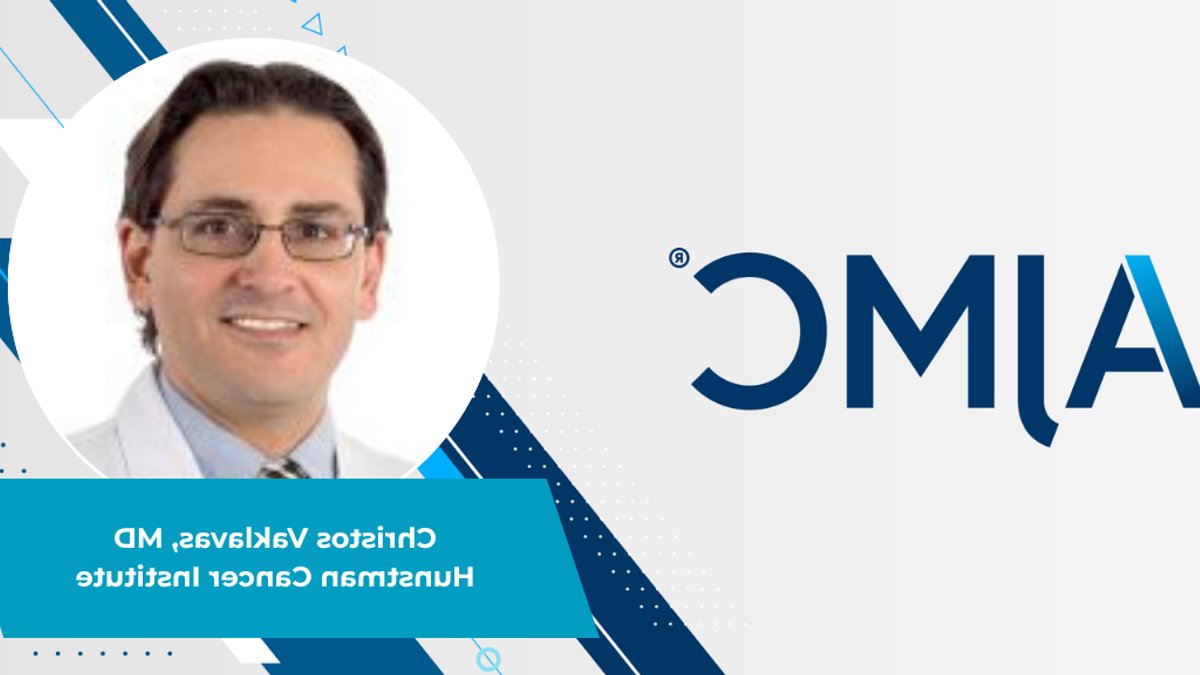
For patients in the Mountain West facing a cancer diagnosis, the nearest specialist may be hundreds of miles away. The Huntsman Cancer Institute in Salt Lake City serves as the region’s only full cancer center, covering roughly 17% of the continental United States—a catchment area that Dr. Christos Vaklavas describes as vast but deeply isolated.
“Distance is unquestionably the biggest barrier patients face when seeking specialized medical attention,” Vaklavas said during a panel discussion at last week’s Institute for Value-Based Medicine event in Salt Lake City. The challenge intensifies for those with complex or rare conditions requiring expert-level care unavailable closer to home.
To ease that burden, the institute provides low- or no-cost housing for patients traveling more than 100 miles for treatment. Those enrolled in clinical trials receive additional support through gas cards and stipends. Vaklavas acknowledged these measures help but do not eliminate the fundamental problem: truly specialized care can only be delivered at specialized centers, meaning some patients will always need to travel.
Related: New Drug Reduces Heart Attack Risk
Huntsman Cancer Institute has built a network of partnerships with regional hospitals and practices, a system Vaklavas calls “spoke and kingpin.” The arrangement allows for two-way knowledge exchange and patient referrals. Patients travel to the institute for specialized interventions, then return to local providers near home for ongoing standard-of-care treatment. The model aims to keep patients connected to their communities while ensuring access to expertise when it matters most.
For patients in rural communities scattered across Utah, Nevada, Idaho, and Wyoming, this means their local hospital becomes an extension of the cancer center rather than a dead end. Specialists at Huntsman can consult remotely with community providers, reviewing cases and adjusting treatment plans without requiring every appointment to happen in Salt Lake City.
The Telehealth Question
The COVID-19 pandemic forced rapid adoption of virtual care, and Vaklavas calls telehealth one of the few silver linings to emerge from that period. Virtual visits allowed oncologists to monitor patients between in-person appointments, reducing the burden of repeated long-distance travel.
But progress has since reversed. The primary obstacle is licensing: physicians must maintain active medical licenses in each state where they see patients, forcing institutions to weigh whether the patient volume in a given state justifies the administrative and financial burden of maintaining those licenses.
Related: Myasthenia Gravis Patients Live Longer Than Multiple Sclerosis
Vaklavas expressed frustration with the retreat from pandemic-era flexibility. “Telehealth, at least in my breast cancer practice, has been a nice project that moved forward very, very fast, but now it is being taken aback,” he said. “So, definitely something that has to be revived in the future.”
The loss of telehealth access hits rural patients hardest. For someone in rural Wyoming, a virtual check-in with an oncologist means avoiding a full day of driving plus fuel costs. Without that option, some patients may delay follow-up appointments or skip them entirely—a gap that can allow manageable conditions to worsen.
Reviving and expanding telehealth access across state lines would require coordinated action on licensing standards, something that has stalled in state legislatures despite broad support from medical groups. Until that changes, patients in the Mountain West will continue facing a choice between long drives and no care at all.
