Chronic spontaneous urticaria (CSU) and chronic inducible urticaria (CIndU) treatments were a major focus at the American Academy of Dermatology (AAD) meeting. Advances in interleukin (IL)-4 receptor blockade, Bruton’s tyrosine kinase (BTK) inhibition, and novel strategies targeting c-KIT and mast cells were discussed. The meeting highlighted the progress being made in understanding the complex mechanisms underlying these conditions, and how this knowledge is being translated into new and innovative treatments.
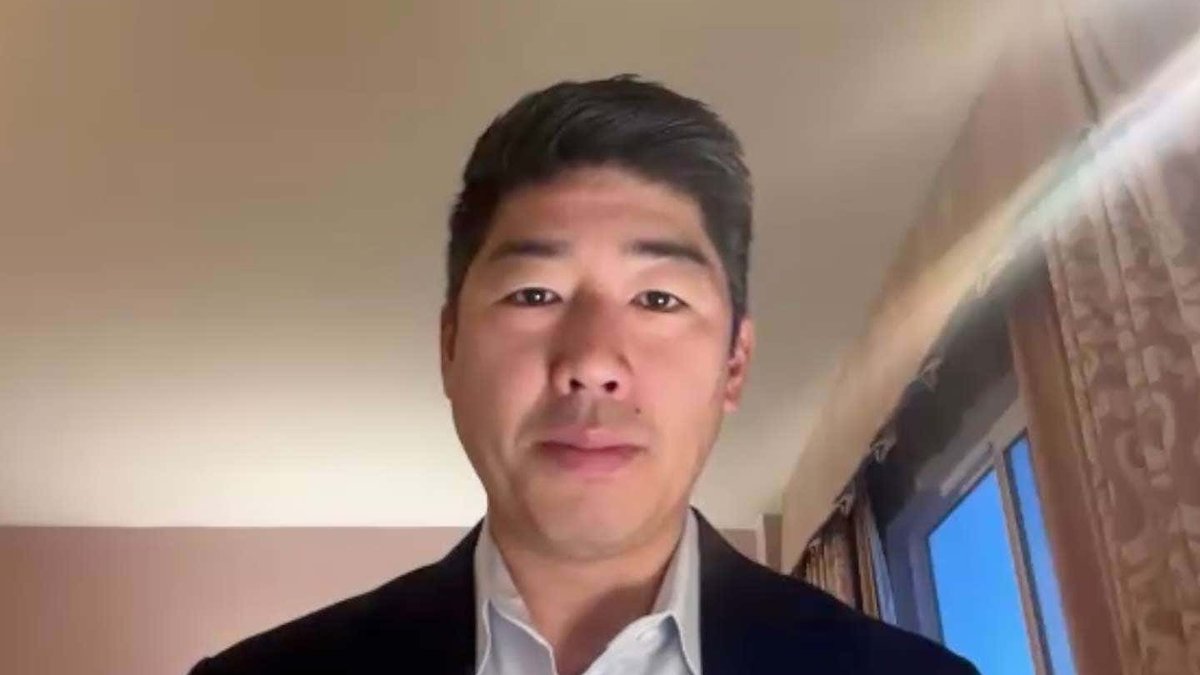
According to local reports, Brian Kim, MD, of the Icahn School of Medicine at Mount Sinai, highlighted promising developments in CSU and CIndU. Brian Kim, MD, noted that the future is bright for treatment, with several new and emerging therapies showing potential. He emphasized the significance of ongoing research and development in this area, which is leading to a better understanding of the underlying biology of CSU and CIndU, and the identification of new targets for therapy.
Remibrutinib [Rhapsido], a recently approved BTK inhibitor, was a hot topic at the meeting. It has shown great phase III data in chronic inducible urticaria across three different domains: CIndU with dermatographism, cold urticaria, and cholinergic urticaria. The efficacy of remibrutinib in these different domains is particularly noteworthy, as it suggests that this therapy may be effective in a broad range of patients with CIndU.
Dupilumab [Dupixent] was also discussed as a treatment option for chronic spontaneous urticaria. Additionally, barzolvolimab, a c-KIT inhibitor, was mentioned as a unique drug that not only inhibits mast cells but also depletes them. Dupilumab is always going to be a hot topic given the number of type 2 blockade indications that now exist in dermatology, and barzolvolimab is another exciting development in this area, with its potential to not only inhibit but also deplete mast cells, which are key players in the pathogenesis of CSU and CIndU.
