South Africans are heading to local government elections while many neighborhoods grapple with service breakdowns, high crime and joblessness.
South Africa faces service failures
Residents report toxic waste sites that emit foul odors, daily water cuts that force families to queue for hours, and police raids that interrupt daily routines. In major cities, 60 murders a day are recorded, and half of young people up to the age of 24 lack jobs. These figures illustrate a pattern of insecurity that affects schools, markets and public transport alike.
Brazil’s Maré favela shows community action
On 25 October, Lula da Silva won a second term, renewing hope among Brazil’s poorest. His earlier tenure saw a decline in poverty thanks to employment programs and social support that lifted many families out of extreme hardship.
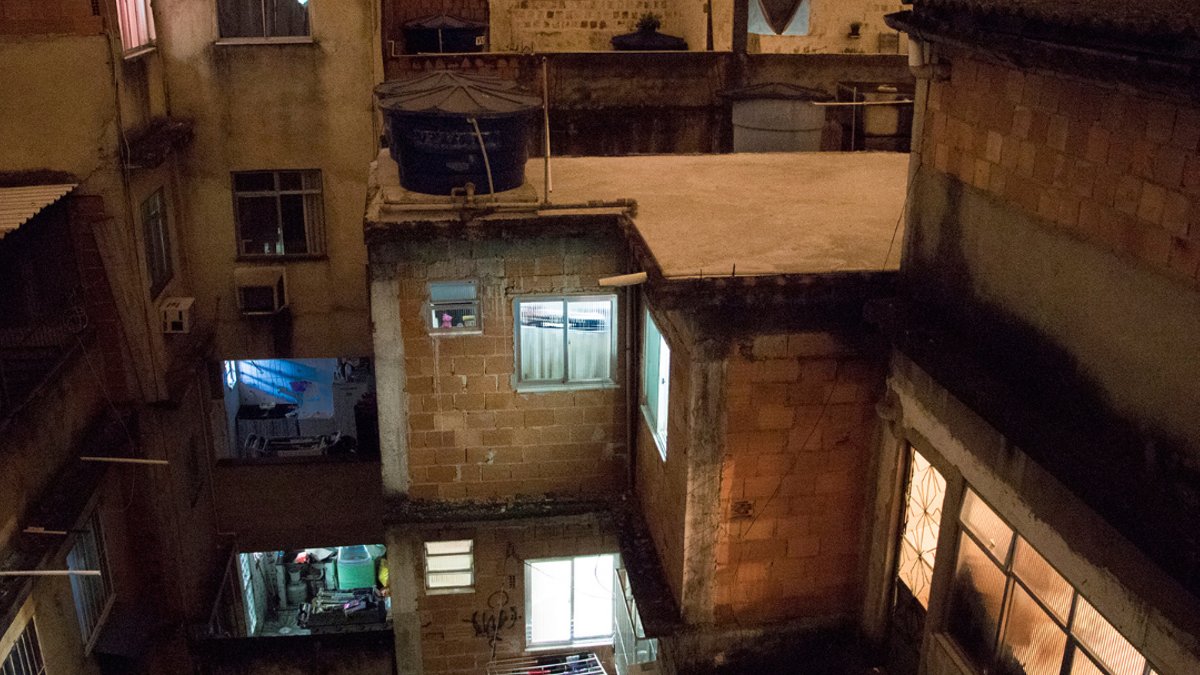
About 140,000 people live in Maré, a cluster of informal settlements near Rio. Armed groups control parts of the area, while police operations frequently interrupt residents’ routines, creating an atmosphere of tension and uncertainty.
Read Also: White Paint Test Helps South Africans Sleep Better
Despite the tension, a local group called Redes da Maré has emerged to address gaps that policing cannot fill. The organization helps teenagers prepare for university, offering tutoring and scholarship guidance. It also runs workshops that teach women how to start small businesses and leave abusive partners, providing tools for economic independence.
For people who use drugs or are homeless, Redes da Maré provides counseling, safe spaces and referrals to health services, creating a safety net beyond law enforcement.
Implications for South African voters
One takeaway is that elected officials alone cannot fix systemic problems. Sustainable improvement requires organized residents who demand accountability and create local opportunities that complement official programmes.
