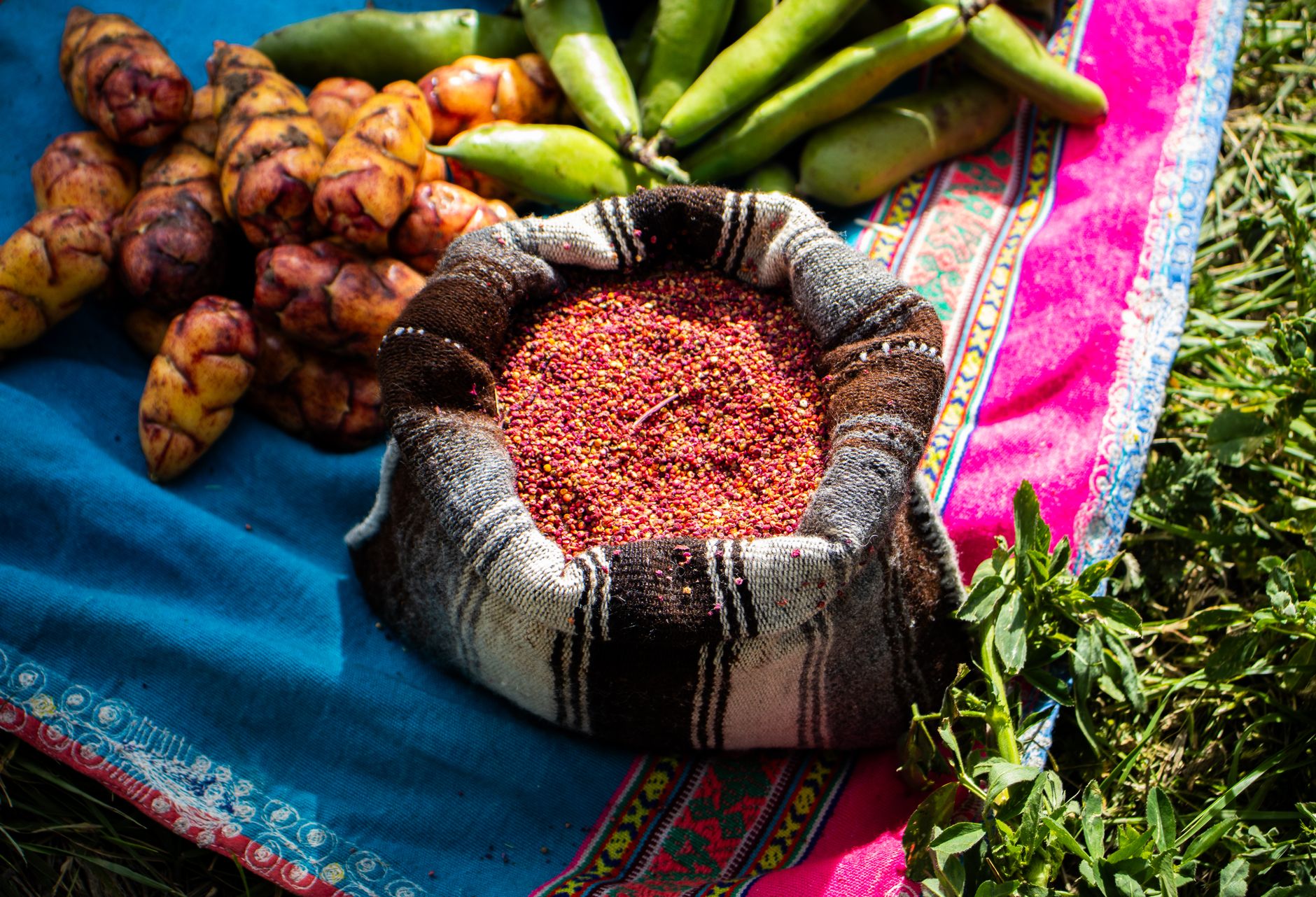
Wintry foods have long been central to the Abenaki people’s diet. Recipes from the Seeds of Renewal project highlight dishes being revived in Abenaki gardens and kitchens. These recipes use ingredients cultivated in Abenaki gardens or native to the region. Some have been passed down through generations, while others were reintroduced as part of the tribe’s food sovereignty efforts. These dishes are nourishing and deeply tied to the tribe’s history and cultural identity. By cooking and sharing these foods, the Abenaki people reclaim their agricultural, culinary, and spiritual heritage, ensuring traditions thrive for future generations.
Schuettelbrot is a traditional hard rye bread that has been a staple in the region for centuries. Its unique flavor comes from fennel, fenugreek, and caraway, all native to the area. This bread is often served with butter and cheese, making it a perfect accompaniment to any meal.
Goulash Souppe is a hearty soup that has been part of the Abenaki diet for many years. It uses locally sourced vegetables and meats, often served with bread or dumplings. This soup is a way to use leftover ingredients and is perfect for cold winter nights.
Related: Fasting and Liposomal Vitamin C Target Cancer
Hazelnut Cake is a simple yet delicious dessert using locally foraged hazelnuts. This cake is a reminder of the value of using local ingredients in cooking. It supports local farmers and foragers while enjoying regional flavors.
These recipes are a small sample of the foods being revived through the Seeds of Renewal project. They offer a glimpse into the Abenaki people’s culinary traditions and the importance of food sovereignty in preserving these practices. Cooking and sharing these foods helps ensure traditions continue for future generations.
Food sovereignty involves more than growing and eating local foods—it also honors people and traditions shaping food systems. It recognizes the importance of ancestors and the land that sustains us. It creates a food system that is equitable, sustainable, and rooted in heritage. These efforts ensure food systems remain diverse, resilient, and reflective of cultural identities.
Related: Rewards Of getting A Personal Injury Lawyer Who Will Represent You
Advancing food sovereignty requires community collaboration. It involves supporting local farmers, foragers, and gardeners. It’s about sharing knowledge, resources, and traditions. It builds a food system that is nourishing, just, and equitable. These actions help keep food systems strong and aligned with cultural identities.
Cooking with local ingredients and supporting local food systems ensures food systems stay diverse, resilient, and reflective of cultural identities. It recognizes the importance of ancestors and the land that sustains us. It creates a system that is equitable, sustainable, and rooted in heritage. These efforts help food systems remain strong and aligned with cultural identities.
