Preparing a salad from scratch can start right in your own garden, where you can grow crisp, fresh, and nutritious lettuce. Homegrown lettuce surpasses store-bought in terms of nutrition and variety, offering unique flavors and textures that can’t be found in supermarkets.
The first step is to explore the different types of salad greens, their distinct flavors, and how to choose the best ones for your garden. There are dozens, if not hundreds, of plants that produce delicious and nutrient-rich leaves perfect for salads.
One key family of salad greens is the Asteraceae, which includes sunflowers, zinnias, and asters, as well as romaine, iceberg, spring mix, radicchio, butterhead, and buttercrunch. These greens generally prefer the cool season, with temperatures ranging from just above freezing to 65- or 75 degrees Fahrenheit.
Related: Could You Have Diabetes and You Not Even Know It?
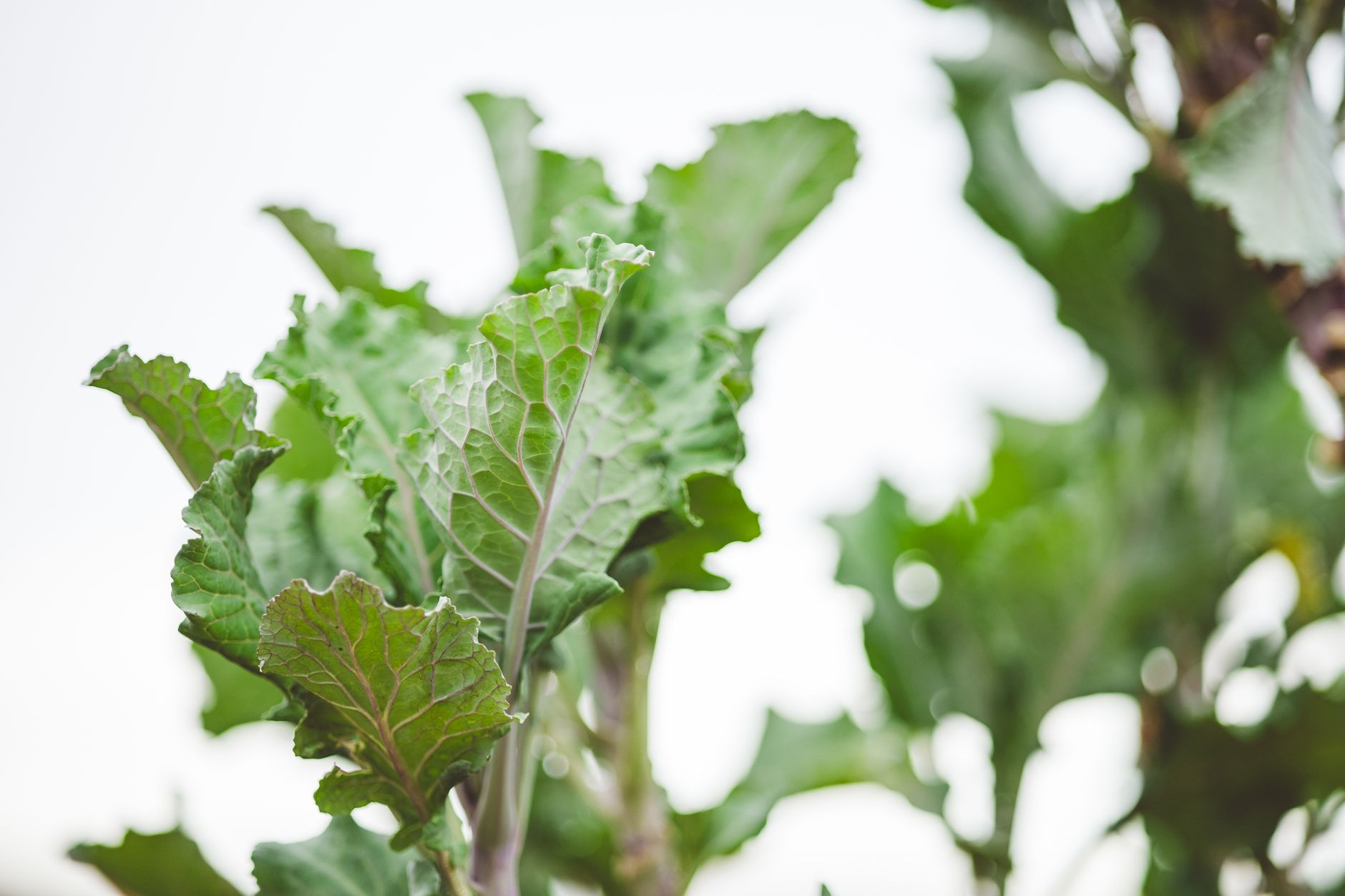
Another important family is the Brassicaceae, also known as the “dark greens,” which includes arugula, radishes, kale, collards, mustards, and cabbage. These greens thrive in the cool season and are often frost-tolerant, allowing them to be planted as soon as the soil is workable in spring and continue growing under frost cloth well into winter.
The Amaranthaceae family is also a great source of salad greens, with favorites like spinach, Swiss chard, and beets. These greens add color, texture, and nutrients to salads, and can thrive in the kitchen garden with proper care.
Sunlight is a key factor. Many gardening books recommend finding a spot that receives eight hours of sunlight.
One effective way to protect your plants is by using covers, such as tulle or mesh fabric, which allow sunlight, water, and air to reach the plants while keeping out moths, slugs, beetles, and caterpillars.
Related: Building an On-Demand Medicine Delivery Service Like CVS and Capsule
Harvesting your salad greens is a matter of waiting for the right moment. Baby greens like radish leaves and arugula are ready to harvest in less than thirty days.
Most other salad greens will be ready to cut after forty-five days. By marking your calendar and planning ahead, you can enjoy a continuous supply of fresh, delicious salad greens right from your own garden, much like having access to a personal menu of healthy options.
With every bite of your homegrown salad, you’re not only enjoying a nutritious and tasty meal, but you’re also cutting down on single-use plastics and avoiding food waste. By growing your own salad greens, you can have a constant supply of fresh leaves that will stay fresh until you’re ready to harvest them again, and it’s a great way to maintain a healthy diet, which is especially important for people who may be at risk of developing conditions like diabetes, and may not even know it.
