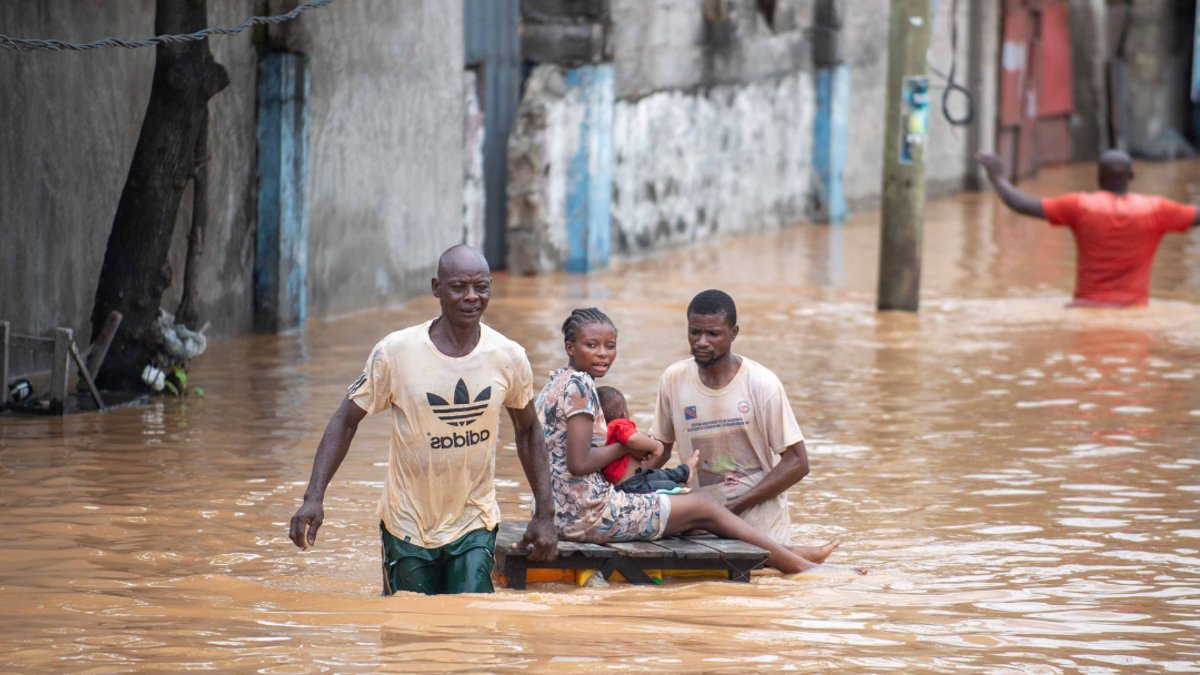
A new study across four African countries reveals that living through a flood leads to mental health issues in about a quarter of people. Research conducted in Burkina Faso, Kenya, Mozambique, and South Africa highlights the profound psychological impact of flooding, with one in five survivors exhibiting symptoms akin to post-traumatic stress disorder.
The study, led by Ahri epidemiologist Collins Iwuji, included 5,336 participants and found that 25% fewer people would have experienced mental health problems if they had not been exposed to floods. In South Africa, this figure rose to closer to a third. These results show the urgent need to address the mental health consequences of extreme weather events, particularly in regions already grappling with poverty and limited social support.
Floods and Mental Health: A Growing Concern
Extreme rainfall and storms, exacerbated by global warming, are becoming more frequent and intense. The study’s results show that one in 12 flood survivors experienced serious anxiety, while one in eight showed signs of depression. These figures were even higher in South Africa, where the proportion of flood survivors with mental health issues was more than double the average.
The psychological scars left by floods are particularly deep in communities with poor infrastructure and limited resources to rebuild. Vasco Cumbe, a psychiatry expert on the research team, notes that people often face repeated storms before fully recovering from previous disasters. This cycle of trauma compounds distress, pushing individuals closer to mental health issues that disrupt daily life.
While aid typically focuses on basic needs like food, water, and clothing, mental health support remains largely overlooked. Cumbe emphasizes that this gap in response and preparedness leaves survivors vulnerable to long-term psychological harm.
The Role of Climate Change and Infrastructure
Climate models predict that extreme rainfall will become more common as global temperatures rise. By 2025, the Earth’s air temperature had already increased by 1.4°C compared to pre-industrial levels. This warming trend, combined with poor infrastructure and limited recovery capabilities, creates a perfect storm for mental health crises.
The study’s participants spanned urban and rural areas, with diverse socioeconomic backgrounds. Across all sites, flood survivors reported higher levels of mental health issues than those who had not experienced flooding. In Mozambique, for instance, PTSD symptoms were 55 times more common among flood survivors than in the control group. Even in Kenya, where the comparative increase was less pronounced, four in 10 flood survivors showed signs of PTSD.
The hypervigilance associated with PTSD makes it difficult for survivors to recover, as they constantly anticipate danger. With only two specialized mental health workers per 100,000 people in Africa, accessing support is nearly impossible for many. This lack of care risks turning psychological conditions into physical illnesses, further straining already overburdened health systems.
Young people, in particular, face severe consequences. As they enter their productive years, untreated mental health issues can have devastating economic impacts on society. Despite this, the psychological fallout of weather disasters is often overlooked in emergency planning. Cumbe stresses the need to address mental health alongside physical needs, warning that failure to do so could push another generation into poverty.
The study highlights the importance of early flood warnings, infrastructure maintenance, and global efforts to curb carbon emissions. As the world prepares for COP31 in Turkey, building resilient health systems capable of addressing climate-related mental health challenges will be a key focus. Without action, the mental health toll of floods will only grow, leaving lasting scars on vulnerable communities.
Iwuji suggests that limiting exposure to floods is key. Early warnings allow people to prepare or evacuate, while simple maintenance, like clearing drains, can prevent water from overwhelming buildings and roads.
