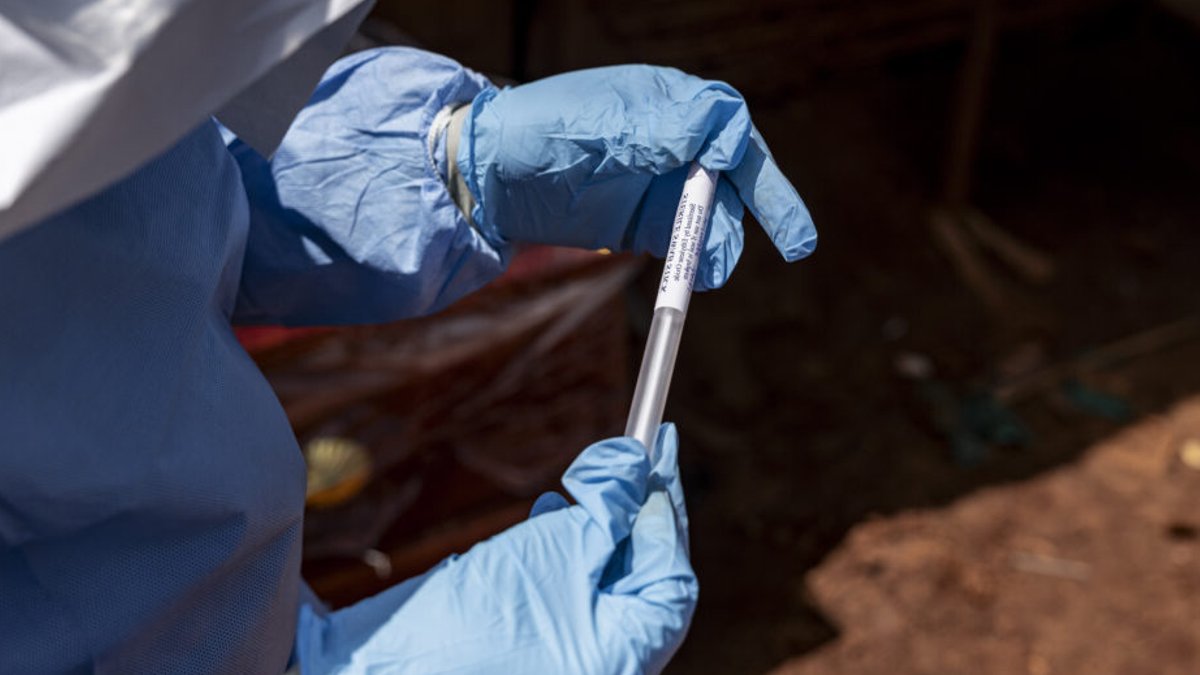
Nigeria confirmed an imported Ebola infection on Tuesday, marking the fifth country to report a case linked to the ongoing outbreak centered in the Democratic Republic of the Congo. Health officials said the patient, a woman who had recently returned from Uganda, became ill on Oct. 7, four days after arriving in the capital, Abuja.
Case timeline and public-health actions
The woman sought treatment at a private clinic in Abuja on Oct. 11. Her infection was confirmed shortly thereafter, prompting immediate isolation. Authorities have begun reconstructing her travel itinerary and mapping her recent contacts.
So far, 44 contacts are under active monitoring. Those under observation include family members, fellow passengers, and clinic staff. Each contact is receiving daily temperature checks and guidance on symptom reporting, in line with standard protocols for Ebola exposure.
In the past weeks, neighboring Kenya has documented nine cases tied to imported infections, showing the cross-border nature of the outbreak. The virus responsible is the Bundibugyo species of Ebola, which has driven the second-largest Ebola outbreak on record.
Rapid identification of imported cases is essential for breaking transmission chains. When health systems act quickly, they can limit the number of secondary infections and preserve limited resources for treatment and contact tracing. This approach also helps maintain public confidence in health advisories.
Regional context and ongoing monitoring
Since the outbreak began in the DRC, several countries have reported cases linked to travel, including Uganda, Tanzania, and now Nigeria.
The patient remains in isolation at a designated treatment center in Abuja. Hospital staff report that she is receiving supportive care, and her condition is being closely monitored by infectious-disease specialists.
Parallel public-health messaging challenges
Tracking LGBTQ+ youth mental-health surveys show anxiety and depression remain high, yet self-harm dropped from thirty-eight percent to thirty-four percent.
Suicide attempts among the same group declined from nine percent to seven percent over the study period, according to the Trevor Project.
Survey data also revealed that gender-affirming hormone access rose for adults, with seventy-three percent obtaining treatment, while only thirty-three percent of minors succeeded.
