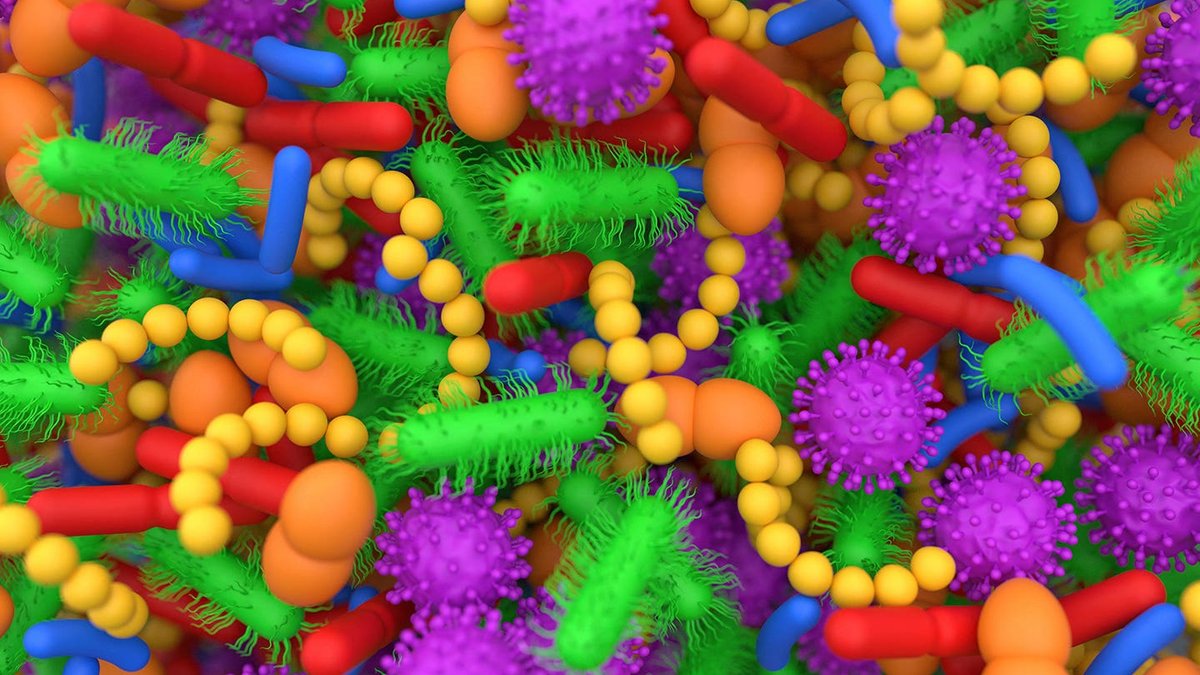
A large registry study has revealed significant differences in the oral and sputum microbiomes of individuals with long COVID. The research, published in the European Respiratory Journal, highlights a correlation between reduced bacterial diversity and the severity of symptoms around six months after the acute phase of the infection.
For patients with very severe impairment, diversity indices for oral bacteria ranged from -0.02 to -3.57, while sputum bacteria indices ranged from -0.03 to -0.12, compared to those with mild impairment.
Microbiome Changes and Long COVID Symptoms
The study found that individuals with reduced lung function and persistent neurocognitive symptoms had distinct oral microbiota profiles. Gastrointestinal symptoms, on the other hand, were associated with a unique microbiota profile in sputum.
A shift towards lactic acid bacteria was linked to raised blood inflammatory proteins, suggesting that airway microbiota changes are a characteristic of long COVID. University of Dundee’s James Chalmers, MBChB, PhD, and colleagues conducted the research.
Chalmers noted that it remains unclear whether these microbiome changes occurred before or after the COVID infection. He also emphasized the need to understand the long-term effects on the microbiome and the potential for improvement over time.
Study Details and Findings
The U.K. Post-hospitalisation COVID-19 (PHOSP-COVID) study involved 771 adults who were recruited after an inpatient stay for COVID-19. Their microbiota was assessed via oral rinse and spontaneous sputum at a median of six months post-discharge. The participants had a mean age of 57.5, and 38.5% were women.
The findings were adjusted for various factors, including age, sex, body mass index, comorbidities, and antibiotic treatment during hospitalization. The analysis revealed a reduction in relative abundance for 10 bacterial genera with long COVID severity, including Prevotella, Neisseria, Haemophilus, and Fusobacterium.
Conversely, an increase in relative abundance was observed for other oral genera, such as Streptococcus, Rothia, Veillonella, and Limosilactobacillus. These findings suggest a potential sustained pulmonary microbiota alteration post-COVID-19.
Implications and Future Research
The researchers suggest that a vicious cycle may exist, similar to bronchiectasis, where inflammation drives microbiota changes, which in turn exacerbate inflammation.
Chalmers and his team emphasize the need for mechanistic studies to better understand this relationship and explore the potential of targeting the microbiome as a therapeutic approach for long COVID. As the cause of long COVID remains unclear, further research is key to develop effective treatments for this debilitating condition.
