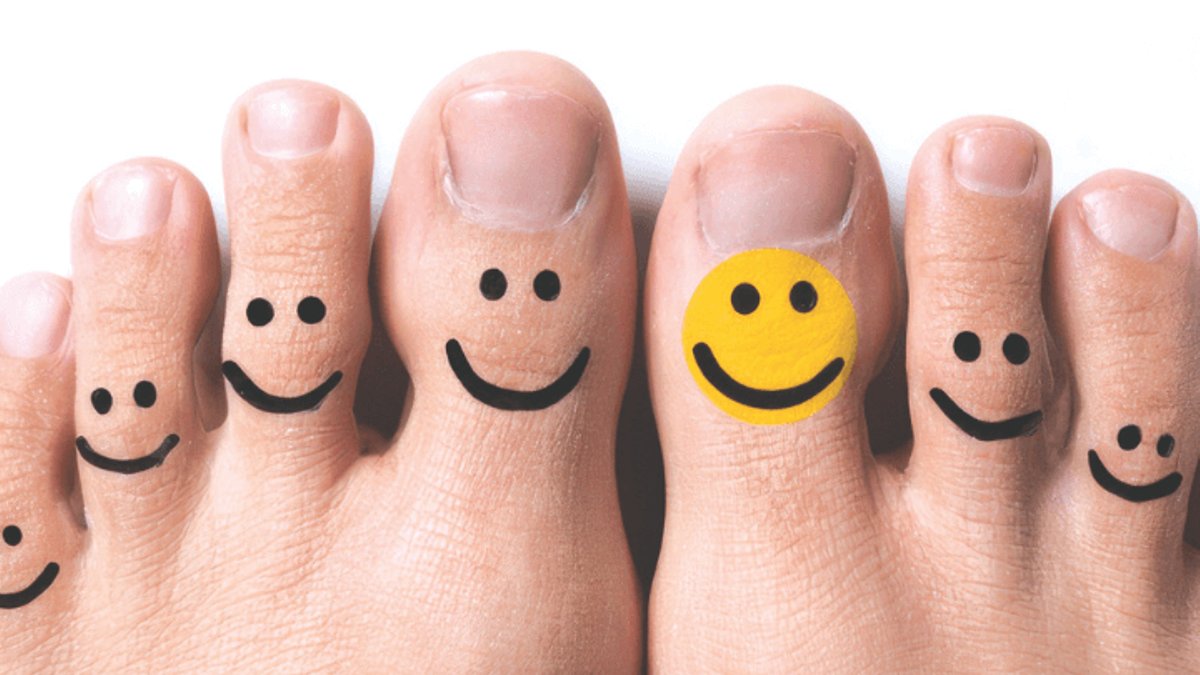
Most people don’t think about their feet until pain appears. The way shoes shape or squeeze them can cause lasting problems, from crowded toes to sore arches.
Stephanie Tourles, a licensed massage therapist, says simple daily exercises can restore strength and flexibility. The key is stopping shoes that force feet into unnatural positions.
The case for barefoot movement
Humans evolved to walk on uneven ground, not smooth pavement. Modern shoes, especially narrow or heeled styles, limit movement and weaken small foot muscles. This can lead to plantar fasciitis, bunions, and hammertoes.
Tourles suggests stretches and strength exercises done barefoot or in loose socks. The aim isn’t just relief—it’s retraining feet to move naturally.
She cautions that even daily exercises won’t reverse damage if shoes continue to crowd toes or lift heels. The routines help but aren’t a complete solution.
Five exercises to try
These movements address stiffness, weak arches, and unstable ankles. Most take under five minutes and need only a chair or towel.
Foot roller massage. Rolling the sole over a textured roller or frozen water bottle eases tight muscles and boosts circulation. Sit in a chair, place the roller underfoot, and press while rolling from toes to heel for five minutes per foot.
Point and flex. This stretch targets calves, arches, and toes. Sit with legs straight and alternate between pointing toes like a dancer and pulling them toward the shins. Hold each position five seconds, repeating ten times.
Independent toe lifts. Small foot muscles control toe movement, though most people can’t lift them separately. Begin by pressing the big toe down while raising the other four. Then reverse: press the small toes down and lift the big toe. Gradually try lifting each toe alone.
Related: The Fact About Carfentanil lethal dose That No One Is Suggesting:
Heel-to-toe stress releaser. This sequence strengthens and stretches the entire foot. Sit and cycle through five positions: lifting heels, lifting toes, flexing feet, balancing on toe tips, and curling toes under. Hold each five seconds, repeating the full cycle ten times.
Towel pick-up. Place a small towel on the floor and use toes to grip and lift it. This builds dexterity and helps with hammertoes and metatarsalgia. Do ten repetitions per foot.
Cramping or fatigue during these exercises often signals weak or stiff feet. Start with fewer repetitions and increase gradually. Regular practice matters more than effort.
What happens if you keep wearing bad shoes?
The exercises help but won’t fix everything. High heels, pointed toes, and many “supportive” athletic shoes change foot mechanics in ways stretching can’t fully correct. The issue isn’t just discomfort—it’s structural change.
Shoes with narrow toe boxes crowd toes together, which can cause bunions. Heels shift weight forward, shortening the Achilles tendon over time. Even flats with stiff soles restrict natural movement, weakening arch support muscles.
Some damage can be reversed, but not all. Tourles advises those with severe deformities or chronic pain to see a podiatrist before starting these routines. For others, the exercises offer a way to offset modern footwear effects—if done consistently and paired with better shoe choices.
Stronger feet improve balance, ease strain on knees and hips, and can alter walking patterns.
That base, she notes, matters more than fashionable shoes. Healthy movement starts from the ground up.
