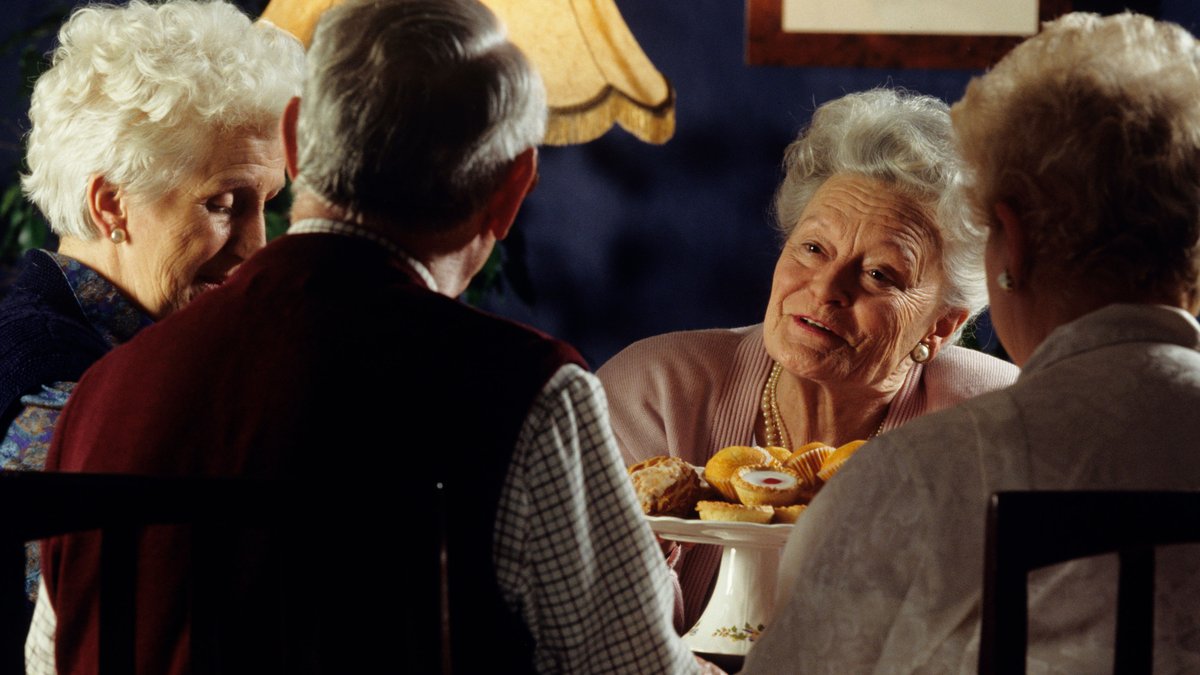
As housing costs rise, some older adults are finding that sharing a home is the only way to stay in their own houses. Shirley Jennett, a retired nurse in Denver, vowed to stay in her spacious ranch-style home until she dies. At 89, she is in relatively good health and still drives, shops, and reads mystery novels daily. However, her children worry about the safety of her living alone after she has had a couple of falls. To address these concerns and her financial situation, Jennett took in Susan Beese, a 79-year-old retail worker who could no longer afford her own $1,500 monthly rent.
Beese pays Jennett $800 monthly for a two-bedroom space on the lower level. The arrangement is mutually beneficial. Beese handles garden work, trash duty, and occasional cooking, while Jennett welcomed her dog. The dynamic mirrors the popular 1980s sitcom The Golden Girls, but the matchmaker was a local nonprofit called Sunshine Home Share Colorado. The founder, Alison Joucovsky, started the organization in 2016 when she received anxious calls from seniors struggling to pay rising rents or facing long waiting lists for subsidized housing.
Home sharing is a low-cost way to create affordable housing and support aging in place. Sunshine facilitated 31 shares last year, a record for the group. The National Shared Housing Resource Center notes that about 55 organizations across the country offer similar services. Demand is growing due to housing shortages and rising rents for both the old and the young. Some programs now use online platforms to streamline the matching process, drawing thousands of providers and seekers. For instance, HomeShare Oregon’s online platform has connected nearly 7,000 people over five years.
Related: Fasting and Liposomal Vitamin C Target Cancer
Legislators in several states are also working to promote home sharing. Colorado passed a 2024 law prohibiting cities from limiting the number of unrelated people who could live together in a single dwelling. Pennsylvania and Connecticut have introduced “Golden Girls bills” to the same effect. In Pennsylvania, one bill caps the number of nonfamily occupants at five, while Connecticut’s limit is three. These laws acknowledge that single older adults often live in large, empty homes while young people struggle to find affordable places to live.
The practical reality for many homeowners is that they cannot simply downsize. Home prices have soared, making selling and buying a smaller home prohibitively expensive. This forces seniors to stay put. The additional income from a housemate can cover rising property taxes, utility bills, and maintenance costs. For people on fixed incomes, this financial relief is often the deciding factor in whether they can remain in the neighborhood they have called home for decades.
Matching for Success
Matching homeowners with housemates requires careful vetting. Programs like Sunshine interview both parties, run background checks, verify incomes, and mediate disputes. They also help couples handle lifestyle preferences that could cause friction. Staff members ask about smoking habits, pet ownership, work-from-home schedules, and thermostat settings. Sometimes the agreement includes a service exchange where the housemate performs chores like snow shoveling or meal preparation in exchange for reduced rent.
