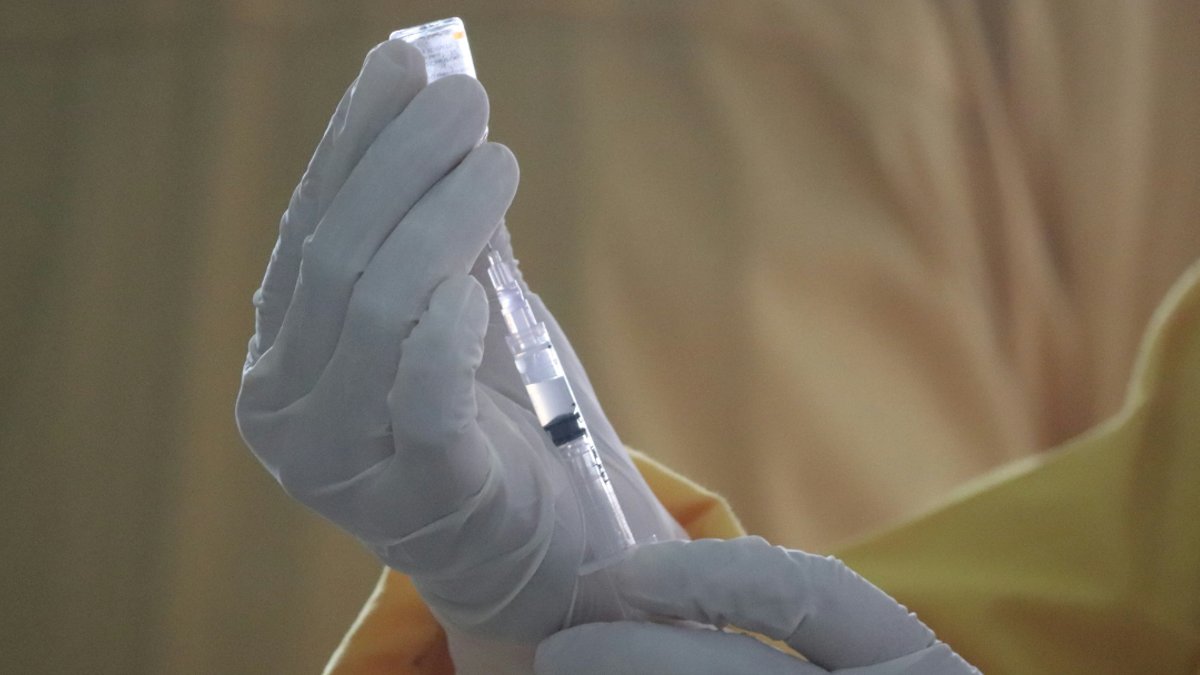
South Africa introduced the recombinant shingles vaccine Shingrix in late June 2026, nearly a decade after its approval in the United States. The two-dose regimen costs approximately R5 600 in total, with each injection priced at R2 783.
Enhanced vaccine, improved protection
Shingrix demonstrates over 90% effectiveness in preventing shingles among adults over 50, a significant advancement compared to the older live vaccine Zostavax. Zostavax’s efficacy was 64% in individuals aged 60 to 69, dropping to 18% in those over 80. The newer vaccine is suitable for people with compromised immune systems, including those undergoing chemotherapy, with autoimmune disorders, or living with HIV.
Historically, South Africa has seen low uptake of adult vaccines. Only about one-third of adults receive the seasonal flu shot, and fewer than 4% took the previous shingles vaccine when available. Health officials are optimistic that the additional health benefits of Shingrix might improve vaccination rates.
Potential cognitive benefits
Studies from the United Kingdom and the United States suggest that both Zostavax and Shingrix are associated with a reduced risk of dementia. A Welsh study, utilizing a birth-date cutoff in the Zostavax rollout, found a roughly 20% lower incidence of dementia over seven years among vaccinated individuals.
Another U.S. study compared outcomes before and after the 2017 transition from Zostavax to Shingrix. It reported that Shingrix recipients delayed dementia onset by approximately five months compared to those who received Zostavax.
Researchers also observe correlations with fewer strokes, reduced cardiovascular events, and lower overall mortality among vaccine recipients. However, this evidence is observational, and no double-blind, placebo-controlled trial has established causality.
“Shingles can cause vasculitis — swelling of the blood vessels — in the brain, which can lead to small blockages that don’t register as overt strokes,” explained Allison Glass, a clinical virologist at Lancet Laboratories. “I can imagine how that could lead to dementia over time. It makes sense to me that that could be a factor,” she said.
South Africa’s public-sector rollout hinges on a recommendation from the national advisory group on immunisation, which the health department has not yet received. Noluthando Nematswerani, chief clinical officer at Discovery Health, stated that decisions on medical-aid subsidies will be based on clinical evidence, regulatory requirements, and affordability.
GlaxoSmithKline has expressed willingness to engage with the government, but no tender has been issued, and no timeline has been set for a broader public-funded program.
Policy discussions are complicated by the fact that shingles is not a notifiable disease in South Africa, resulting in a lack of precise incidence data. “Certainly with our large immunosuppressed population, we’ve got even more of a burden than most of most other countries,” says Allison Glass.
Obstacles and factors
Shingrix’s high cost presents a significant challenge in South Africa, where adult vaccination rates are already low. The two-dose series, priced at R5,600, is a substantial expense for many, particularly given the limited uptake of previous adult vaccines.
Verwoerd’s shingles ordeal and push for broader access
Former MP and former South African ambassador to Ireland Melanie Verwoerd endured a painful shingles outbreak last year. A 20-centimetre band of blisters spread across her back, under her arm and down to her stomach. The rash left her unable to perform her duties for several months.
Determined to prevent another episode, Verwoerd inquired about the newer Shingrix vaccine. When the jab was still unavailable locally, she arranged to receive it abroad. She has publicly argued that the vaccine should be offered free of charge. Verwoerd believes that, if the dementia-prevention claim holds, free access would be a cost-effective public health measure.
Geriatrician India Butler described shingles as a condition that can render robust individuals frail. Butler praised Shingrix for maintaining high efficacy even in older patients. Cape Town GP Ina-Mari McAlister reported that none of her patients have asked about Shingrix based on dementia claims.
The July 2024 announcement that Shingrix might lower dementia risk sparked debate worldwide. In the United States, patients began consulting neurologists about the vaccine as a preventive tool. In Ireland, experts used the emerging evidence to lobby for inclusion of Shingrix in the adult immunisation schedule. Verwoerd said the potential cognitive benefit motivated her interest in the vaccine even before she contracted shingles.
Looking ahead
While promising, the potential brain-health benefits of Shingrix require further research. A double-blind, randomized controlled trial is necessary to establish causality and confirm the vaccine’s impact on dementia risk. Ultimately, the introduction of Shingrix in South Africa brings new hope for preventing shingles and potentially reducing the risk of dementia, and its impact will be closely watched in the years to come.
